When you’re working with sellers in today’s competitive market — especially in Boulder, Broomfield, Longmont, Golden, Erie, and throughout the Greater Denver Area — every advantage counts. One strategy that consistently helps Realtors differentiate listings and achieve stronger results is occupied home staging.
Unlike traditional staging where a home is entirely vacant, occupied staging involves staging a property while the seller is still living there. Done well, it elevates the presentation without forcing sellers into unnecessary disruption — and that’s a win for both you and your clients.
In this post, we’ll dive into what occupied home staging is, why it matters for listings in Colorado, how it boosts perceived value and buyer engagement, and practical tips for Realtors to implement it successfully.
What Is Occupied Home Staging? (And Why It Matters)
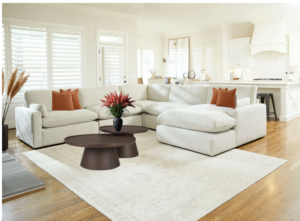
Occupied home staging is the strategic enhancement of a seller’s existing furniture and décor to showcase the home in its best possible light — without requiring the seller to vacate the property. It combines professional staging expertise with sensitivity to a family’s day-to-day life.
Sometimes called “lived-in staging,” this approach focuses on:
- Decluttering and room editing
- Repositioning existing furniture for better flow
- Adding key accessories to elevate photographic appeal
- Balancing visual appeal with functional living spaces
For Realtors in Colorado’s thriving real estate zones, occupied staging is uniquely valuable when sellers need to stay in the home through showings — whether for convenience, timing, or comfort.
Occupied Staging vs. Traditional Staging: Key Differences
| Feature | Traditional Vacant Staging | Occupied Home Staging |
|---|---|---|
| Tenant/Seller Onsite During Market | ❌ Requires home to be empty | ✅ Seller remains in place |
| Furniture Provided | ✔ Full furnished install | ✔ Partial staging + existing items |
| Cost | Higher (furniture + install) | Moderate (depends on needs) |
| Buyer Visualization | High | High — tailored to lived experience |
| Best For | Completely vacant listings | Seller-occupied homes |
Occupied staging preserves the authenticity of a lived-in space — while making it feel aspirational and move-in ready.
Why REALTORS® Should Recommend Occupied Staging
For agents, occupied staging isn’t just a “nice-to-have.” It’s a strategic listing tool that elevates marketing, reduces days on market, and strengthens buyer perception.
Here’s why this matters:
1. It Helps Buyers Visualize a Home as Their Own
Buyers struggle to imagine how rooms function when clutter, awkward layouts, or personal items dominate photos and tours. With occupied staging, a professional strategically arranges furniture and decor so that:
- Focal points are clear
- Circulation feels natural
- Each room tells a purpose-driven story
This increases emotional connection — a critical factor in offers and negotiations.
2. It Boosts Online Appeal
The majority of buyers begin their journey online. According to the National Association of Realtors (NAR), 94% of buyers use online search in their home hunt. Listing photos that show better spaces — even when occupied — attract more interest and clicks.
Sellers often underestimate how photos translate to buyer perception. Occupied staging enhances images without full vacant installs — and it doesn’t compromise authenticity.
3. It Shortens Days on Market
While vacant staged homes often sell faster than un-staged ones, occupied staging delivers many of the same benefits without requiring sellers to move out:
- Better flow and function during showings
- Clearer visualization for buyers
- Improved first impressions
In competitive markets like Boulder and the Greater Denver Area, faster turnover helps your brand as a Realtor and your sellers’ outcomes.
4. It Enhances Price Perception
Staged homes — even when occupied — convey care, value, and readiness. Buyers tend to perceive staged homes as more well-maintained and worth asking offers near asking price or above.
In fact, NAR reports that staged homes can influence buyers to offer more because they perceive better value based on presentation and emotions tied to the space.
How Occupied Staging Works: A Realtor’s Roadmap
One of the best parts about occupied staging is its versatility. It adapts to budgets, seller comfort levels, and listing timelines.
Here’s how Realtors can integrate it into listing strategies:
Step 1 — Pre-Listing Assessment
Start with a consultation that includes a staging professional like STS Home Staging Boulder Foothills.
During this walk-through, the professional will evaluate:
- Traffic flow and furniture placement
- Wall color impact on light and perception
- Visual clutter and distracting personal items
- Opportunities for décor upgrades without replacement
The goal at this stage is strategic editing — not full redesign.
Step 2 — Clutter Management & Edit Plan
Clutter competes with a buyer’s imagination. A successful occupied staging plan includes:
✔ Removing excess furniture that blocks pathways
✔ Storing personal collections (family photos, memorabilia)
✔ Adding simple, neutral décor to enhance light and space
✔ Creating cohesive color schemes room to room
For sellers, this is often the most impactful stage — and it’s something Realtors can champion empathetically.
Step 3 — Accessory Styling & Finish Enhancements
Professional stylists bring accessories that elevate spaces without overwhelming them. These can include:
- Art and mirrors to open sightlines
- Rugs to define key zones
- Pillows and throws to soften rooms
- Table settings for dining and kitchen vignettes
Small design choices often yield big psychological lift for buyers — especially when shown in photos and virtual tours.
Step 4 — Strategic Photography & Marketing
Once staging adjustments are complete, coordinate a professional photo and video shoot. Realtors should ensure:
📌 The photographer highlights staging benefits
📌 Rooms are presented with optimal lighting
📌 Lifestyle touches (like fresh flowers or cozy throws) are captured
This ensures the MLS, Zillow, and brokerage marketing collateral show staged-ready spaces that attract more eyeballs and more showings.
Occupied Staging for Different Property Types
Occupied staging works across a wide range of listing types. Here’s how to tailor it:
Single-Family Homes
Often highly personalized. Focus on:
- Neutralizing décor
- Highlighting flow between kitchen, living, and outdoor areas
- Defining rooms for function
Townhomes & Condos
Smaller footprints require thoughtful placement:
- Eliminate duplicative or oversized furniture
- Use compact staging elements
- Maximize perceived space
Relocation & Seller-Rush Scenarios
Occupied staging is ideal when sellers are on tight timelines or relocating soon — they don’t have to remove everything before showings.
Addressing Common Seller Concerns
Your clients may hesitate when it comes to staging while living in their homes. Here’s how to address common objections:
“I can’t live without all my stuff.”
Reassure them that we’re not asking for perfection — only strategic editing. The goal is to showcase space, not erase personality, and to begin packing for their new home.
“Staging will be disruptive.”
STS- Boulder Foothills staging professionals are respectful and efficient. Edits are incremental, collaborative, and designed to minimize inconvenience.
“Will buyers think the home is fake?”
No. Occupied staging enhances real life, instead of creating a showroom. It keeps the soul of the home while optimizing presentation.
Realtor Best Practices: Making Occupied Staging Part of Your Listing System
Here are practical ways to integrate occupied staging into your business:
1. Make staging part of your listing care plan
Include a staging consult as a standard deliverable — even for occupied homes.
2. Educate your sellers
Bring them into the process; explain why edits improve buyer perception and can lead to better outcomes.
3. Use staging to justify pricing strategy
Professionally presented homes support stronger pricing conversations and fewer negotiation discounts.
4. Coordinate early
Schedule staging edits ahead of photography so that marketing launches with the best visuals.
FAQs About Occupied Home Staging
Q: Is occupied staging more expensive than traditional staging?
A: Occupied staging costs less than full vacant staging because it leverages existing furniture and requires fewer rental pieces.
Q: How soon can staging impact showings?
A: Immediately. Once staging is complete and photos are updated, listings typically get stronger traction online and through broker tours.
Q: Will staging slow down the sale process?
A: No — it accelerates it. By improving buyer perception and reducing hesitation, staging helps buyers make quicker decisions.
The Realtor Advantage: Why This Matters in Colorado
In markets like Boulder, the foothills, and the Greater Denver Area, buyers are discerning and comparison shopping across price points. Occupied staging helps distinguish your listings not just visually, but emotionally — turning maybe into offer.
By partnering with a trusted staging pro like STS Home Staging Boulder Foothills, you demonstrate professionalism and results-oriented marketing that sellers and buyers trust.
Ready to Elevate Your Listings? Contact Us
Occupied staging isn’t just about décor — it’s about results. When sellers present their homes at their absolute best — even while living in them — they sell faster, with confidence and stronger offers.
Ready to bring that power to your listings?
👉 Contact Us to schedule an occupied staging consultation with STS Home Staging Boulder Foothills.