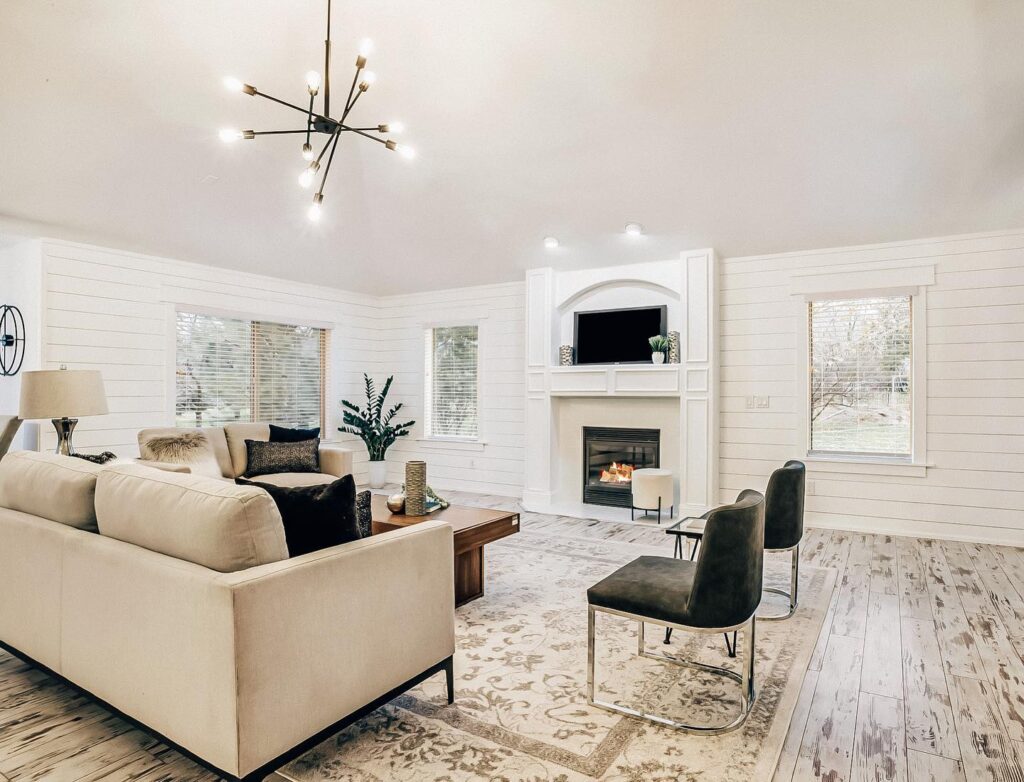
When it comes to selling a home, first impressions are everything. Buyers don’t just walk into a property—they walk into a feeling. This emotional response is the core of why home staging works. By understanding the psychology behind how people perceive space, sellers can dramatically influence buyer behavior and maximize the value of their home. At STS Home Staging Boulder Foothills, our experts behind STS-Boulder Foothills know exactly how to create those powerful first impressions. Learn more at https://bfh.wesetthestage.
First Impressions Shape Buyer Expectations
Within the first eight seconds of entering a home, buyers form an opinion. During those moments, their senses take in layout, color, lighting, and emotional cues. A staged home uses deliberate design choices to guide these impressions—inviting entryways, open sightlines, and intentional focal points all influence how spacious, clean, and high-value a home feels.
By removing clutter and creating visual balance, staging reduces cognitive overload. When the brain doesn’t have to work hard to make sense of a room, buyers feel more at ease and open to imagining themselves living there.
Buyers Purchase a Lifestyle, Not Just a Property
Well-executed staging taps into aspirational psychology. People are naturally drawn to spaces that represent the life they want to live—calm, stylish, organized, and comfortable. When a home is staged professionally, it becomes easier for buyers to project their desired lifestyle onto the property.
The experts at STS- Home Staging Boulder Foothils understand this concept deeply. Their staging process is designed to highlight a home’s best features while creating an emotional narrative that resonates with potential buyers. Explore their approach at https://bfh.wesetthestage.
Neutral Spaces Encourage Imagination
One of the core principles of home staging psychology is removing personal items and bold, polarizing décor. While homeowners may love their unique style, buyers need a neutral backdrop to visualize their own belongings and sense of identity within the home.
Neutral palettes, soft textures, and modern accents create a universally appealing environment. This helps reduce “visual resistance”—the moments when a buyer’s personal tastes clash with the existing décor, pulling them out of the emotional experience.
Staging Minimizes Perceived Flaws
It’s no secret that buyers focus more on a home’s flaws when rooms are empty or cluttered. Through strategic furniture placement and thoughtful design, staging redirects attention toward strengths and away from imperfections.
A well-placed sofa can make a small living room feel more spacious. Proper lighting can brighten darker areas, making them feel warm and inviting. These subtle psychological cues help buyers feel more positive about the home overall.
The Bottom Line
Home staging isn’t just about making a house look pretty—it’s about understanding human behavior. By appealing to buyers’ emotions, expectations, and desire for a better lifestyle, staging can significantly shorten time on market and increase selling price.
If you’re ready to leverage the psychology of your home with staging, visit https://bfh.wesetthestage to learn how our team of professionals can help you showcase your home’s best features.